

Laboratorium
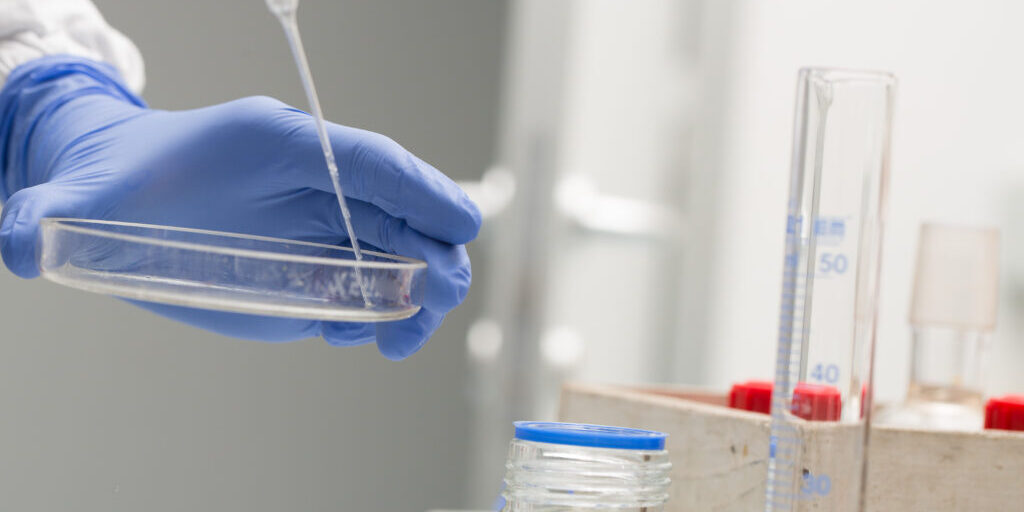
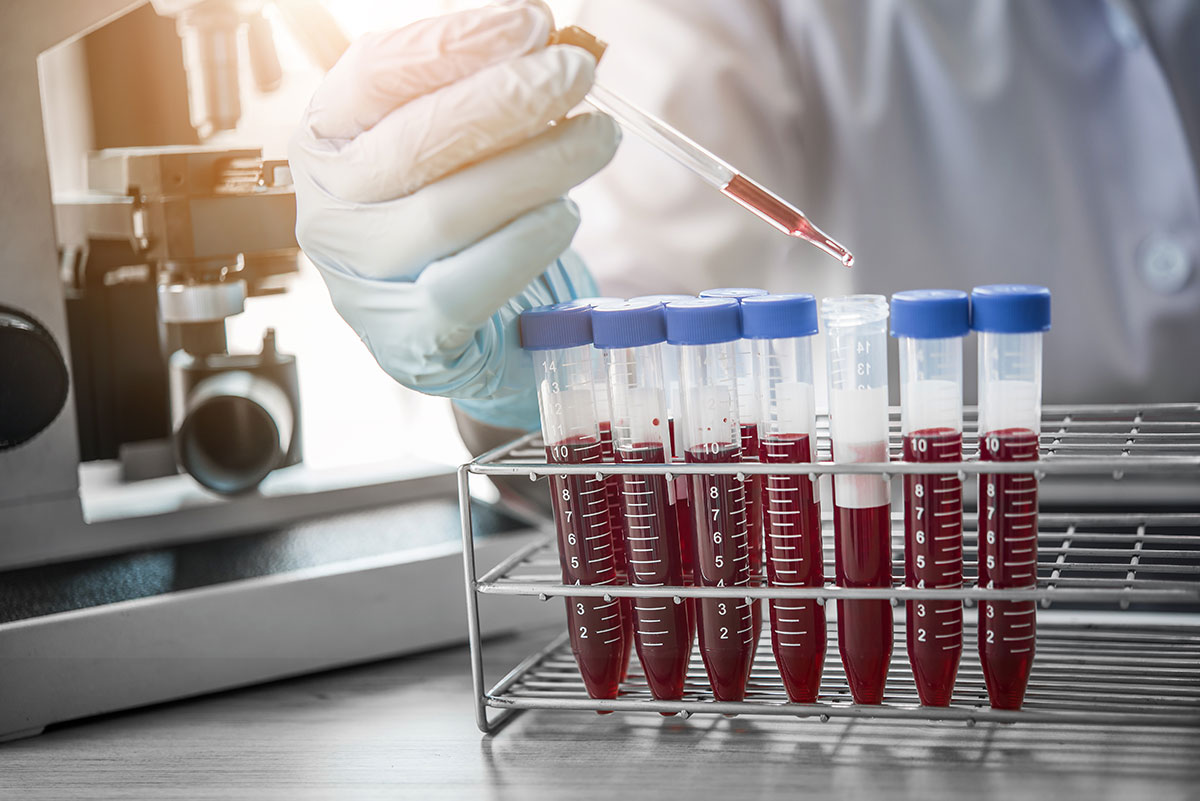
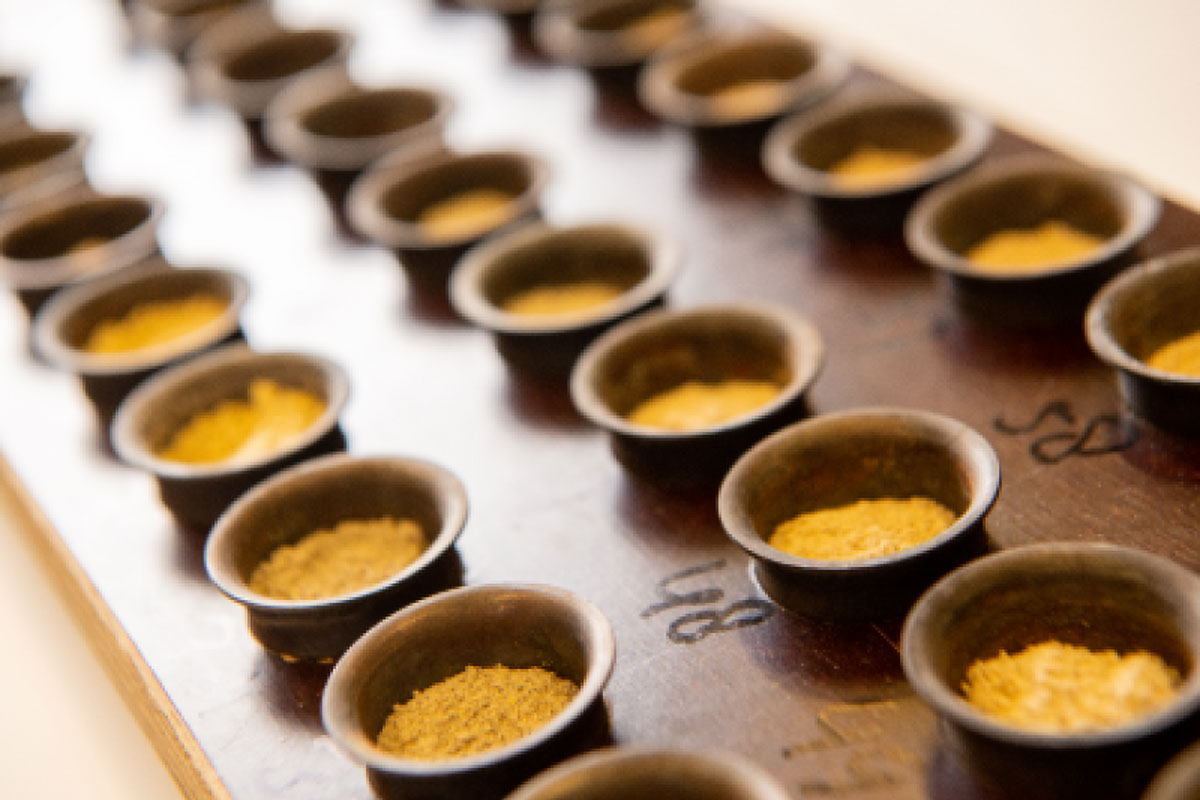
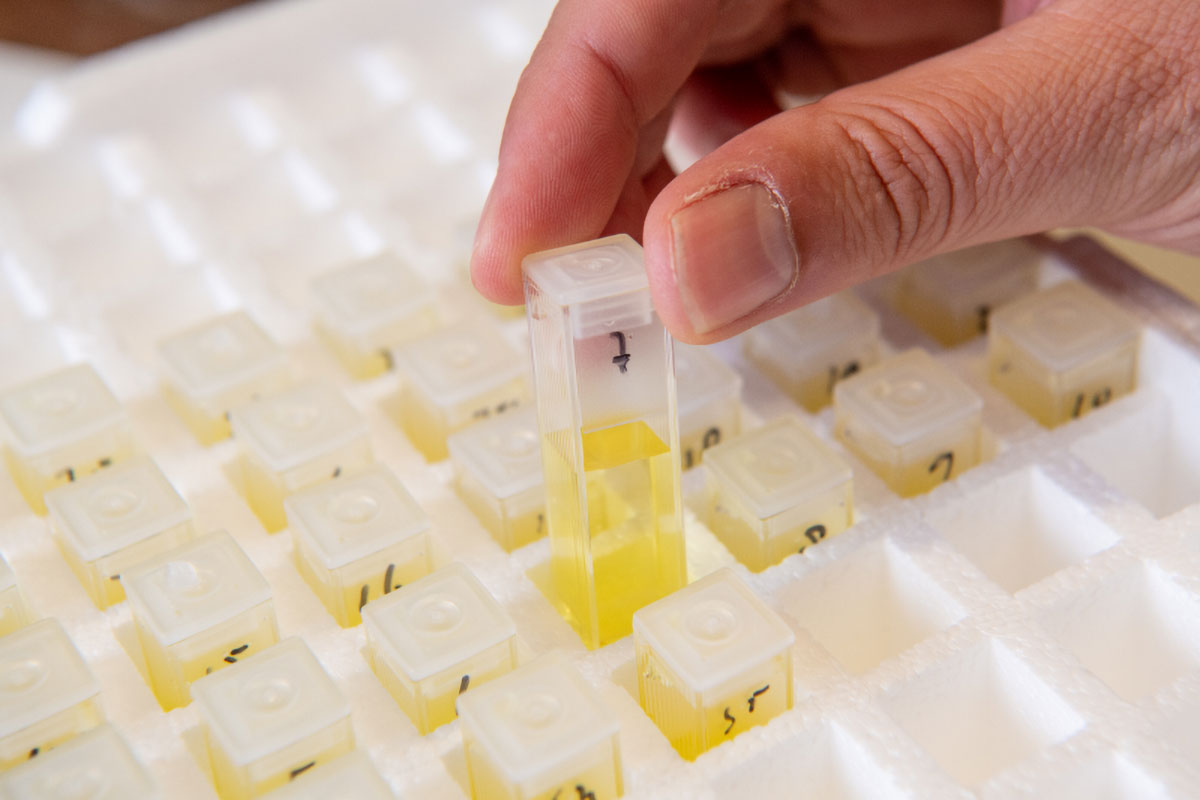
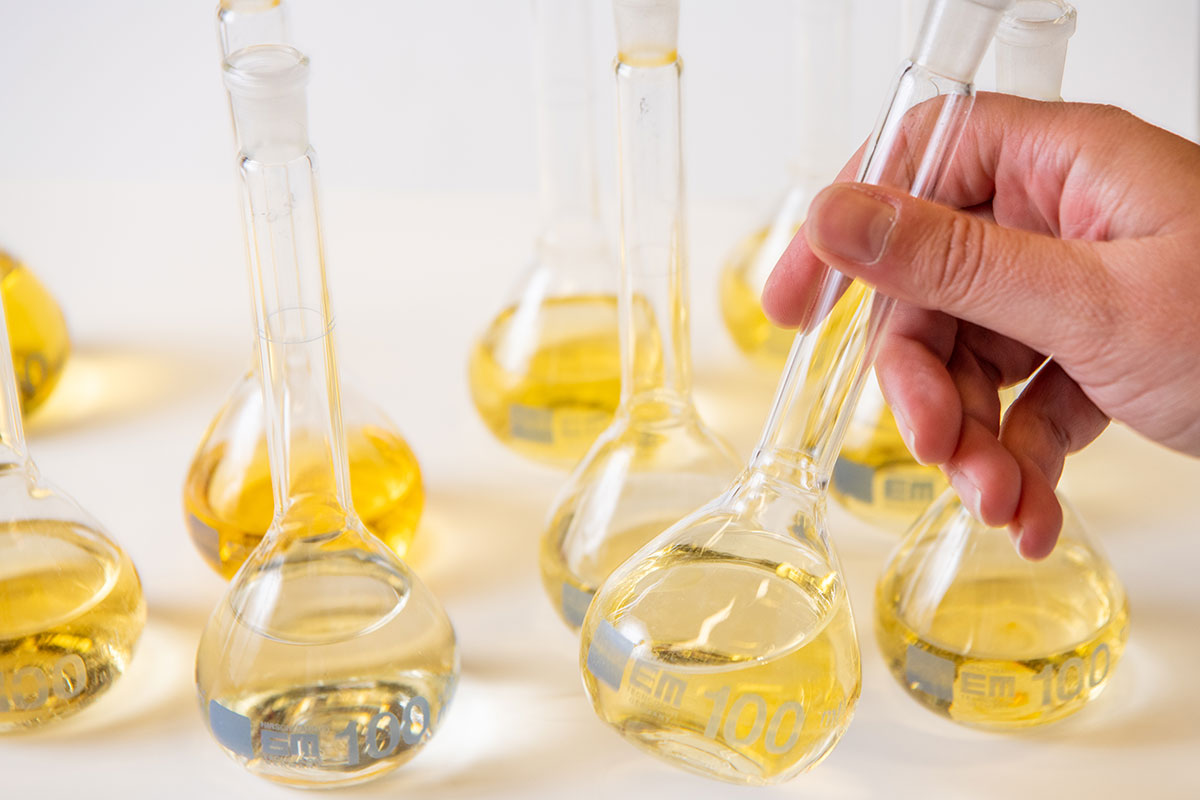
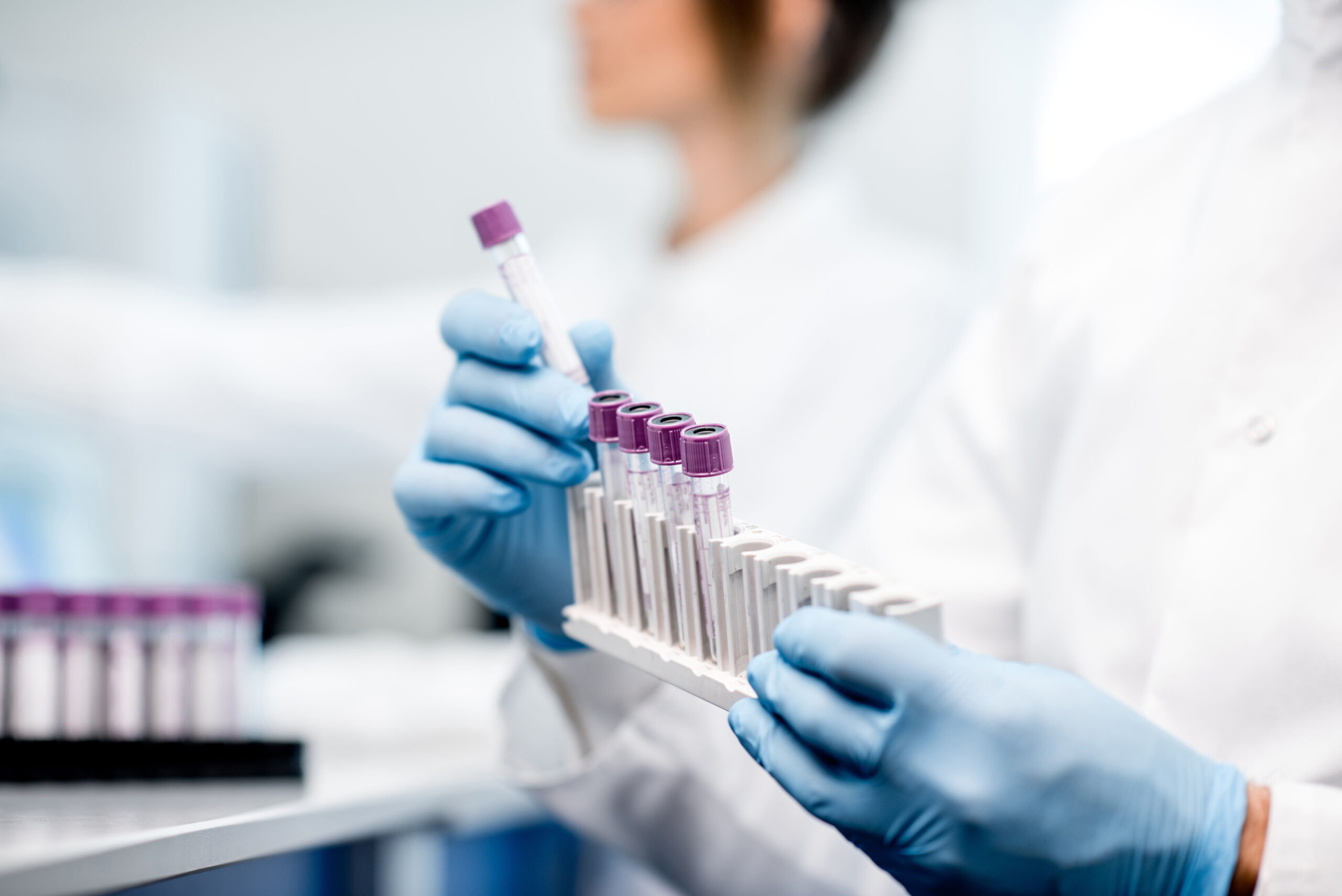
Het laboratorium van SFR analyseert grondstoffen, diervoeders en dierlijke producten (mest, bloed, pensvloeistof, vlees en eieren). Dit gebeurt voor eigen onderzoek of in opdracht van derden. Het laboratorium is voor een aantal analyses gecertificeerd volgens de GMP+ standaard: GMP B10 laboratoriumonderzoek. Uiteraard voldoet het onderzoek aan alle nationale en Europese eisen.
Chemische analyses
- De klassieke nat-chemische analyses. Onder meer Weende analyses (onder andere vocht, ruw eiwit, ruw vet, ruwe celstof, ruw as, zetmeel en suiker).
- Instrumentele analyses voor het analyseren van mineralen, bruto energie (Gross energy).
Fysische analyses
Analyses gericht op kwaliteit van voer en eindproduct. Denk onder andere aan:
- Hardheid van diervoederkorrels, deeltjesgrootte verdeling (zeeffracties nat en droog).
- Parameters t.b.v. ei-kwaliteit (schaaldikte, schaalsterkte, dooier/wit-verhouding) etc.
- Viscositeit, water-bindend vermogen.
In-Vitro analyses
Met In-Vitro analyses wordt de beschikbaarheid of afbreekbaarheid van verschillende nutriënten van diervoeders bepaald in het laboratorium. Parameters die zoal bepaald worden zijn:
- Viscositeit
- Eiwit- en zetmeelafbraak
- Gas fermentatie test (GPT)
Interesse in ons laboratorium?
Neem dan gerust contact met ons op voor een vrijblijvend gesprek. Samen bekijken we dan wat we voor u kunnen betekenen.